
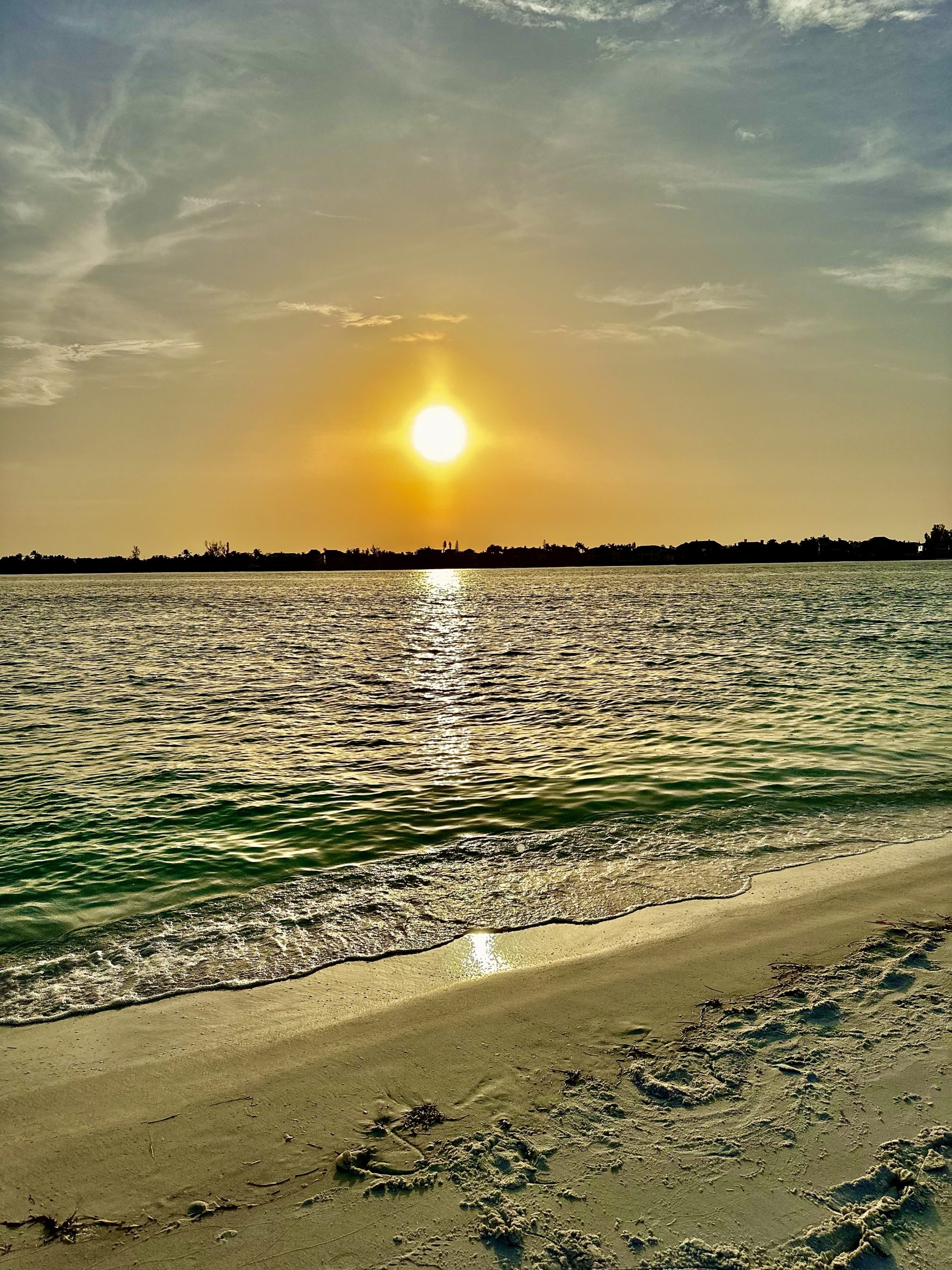


The ocean is responsible for many natural cycles and systems on the planet- fueling the water cycle, providing breathable oxygen for animals, and cooling the surface of the Earth. It is also responsible for supplying food and money for hundreds of millions of humans living on the coastlines, including populations in American cities like New York City, Los Angeles, and Miami, and in global cities such as Tokyo, Japan, Shanghai, China, Vancouver, Canada, Sydney, Australia, and Cape Town, South Africa.
However, our ocean is in crisis. Plastic, which has become the invisible backbone of modern society, when mishandled and not properly disposed of, has become a major concern for ocean systems. In fact, many scientists believe there will be more plastic particles in the ocean than fish (by weight) by 2050, only 24 years from now.
Where does ocean plastic come from?
It’s easy to imagine ‘ocean plastic’ as just trash thrown off a boat, or discarded beach trash that was simply washed out to sea, but the reality is much more grounded.

Photo credit: Natalya Sarkari
All drains lead to the ocean
Not just a quote from Finding Nemo. Most plastic enters the ocean from land. When it rains, rainwater washes over “impervious” surfaces like asphalt roads and parking lots. Since water can’t soak into the ground, it sweeps up plastic fragments and other trash (such as cigarette butts and metal/aluminium cans). It carries them into storm drains, rivers, or treatment plants, and eventually, into the ocean.
Rivers act as conveyor belts for plastic pollution. Rivers are responsible for carrying a large portion of plastic waste from inland communities to the sea. This means plastic discarded tens or even hundreds of miles from the coast can still end up in marine ecosystems- and this is the case for most industrial waste.
Ghost fishing gear
Out at sea, fishing gear from commercial fishing vessels is a major contributor to ocean plastic pollution. Whether lost by accident or purposefully discarded over the side of the vessel, this “Abandoned, Lost, or Discarded Fishing Gear” (ALDFG) creates what’s called ‘Ghost gear’. This Ghost gear is a massive threat to marine ecosystems, leading to accidental entanglements and ingestion by marine life.
The Ocean’s Conveyor Belt
Once plastic hits the water, it doesn’t just sit still where it was dumped. Our oceans act like a massive, global conveyor belt. Using deep-sea currents, surface “gyres” (giant swirling systems), and wind-based movement, the ocean transports plastic from our local beaches to the most remote corners of the planet, including the North and South poles.

Photo credit: National Oceanic and Atmospheric Administration
This movement has created five massive ‘garbage patches’ across the Atlantic, Pacific, and Indian Oceans. But don’t picture a solid, mountainous island of trash. These garbage patches are more like a ‘soup’ of microplastics that linger not just on the surface, but throughout the entire water column.
Why does it matter, and what are we doing to help?
Communities with limited waste management infrastructure, like the ones Empowered Solutions for Environmental Sustainability (ESES) works with, are often hit hardest by plastic pollution, even though they may contribute the least to global plastic production. In many parts of the world, plastic waste accumulates in waterways, irrigation pipes and canals, and wellwater systems. This can create massive health risks and environmental damage that disproportionately affect underserved communities.
ESES is working to help. Our ever-growing team is committed to working with both inland and coastal communities on increasing plastic-to-fuel technology initiatives. By jumpstarting these initiatives, local individuals, nonprofits, NGOs, and schools work to decrease the amount of plastic on beaches, coastal ecosystems, and at sea, while also producing sustainable Polyfuel, a cooking fuel alternative.
Read more about Polyfuel here!
Visit ESES’ social media pages to see videos on our beach clean-ups and how we are turning eligible plastic into Polyfuel!
Sources:
Geyer, R., Jambeck, J. R., & Law, K. L. (2017). Production, use, and fate of all plastics ever made. Science Advances. https://doi.org/1700782
Jambeck, J. R., Geyer, R., Wilcox, C., Siegler, T. R., Perryman, M., Andrady, A., Narayan, R., & Law, K. L. (2015). Plastic waste inputs from land into the ocean. Science. https://doi.org/1260352
Mejjad, N., Safhi, A. E. M., & Laissaoui, A. (2025). Insightful analytical review of potential impacts of microplastic pollution on coastal and marine ecosystem services. Journal of Hazardous Materials Advances, 17, 100578. https://doi.org/10.1016/j.hazadv.2024.100578